
Building Team Chemistry: Drills and Habits That Work
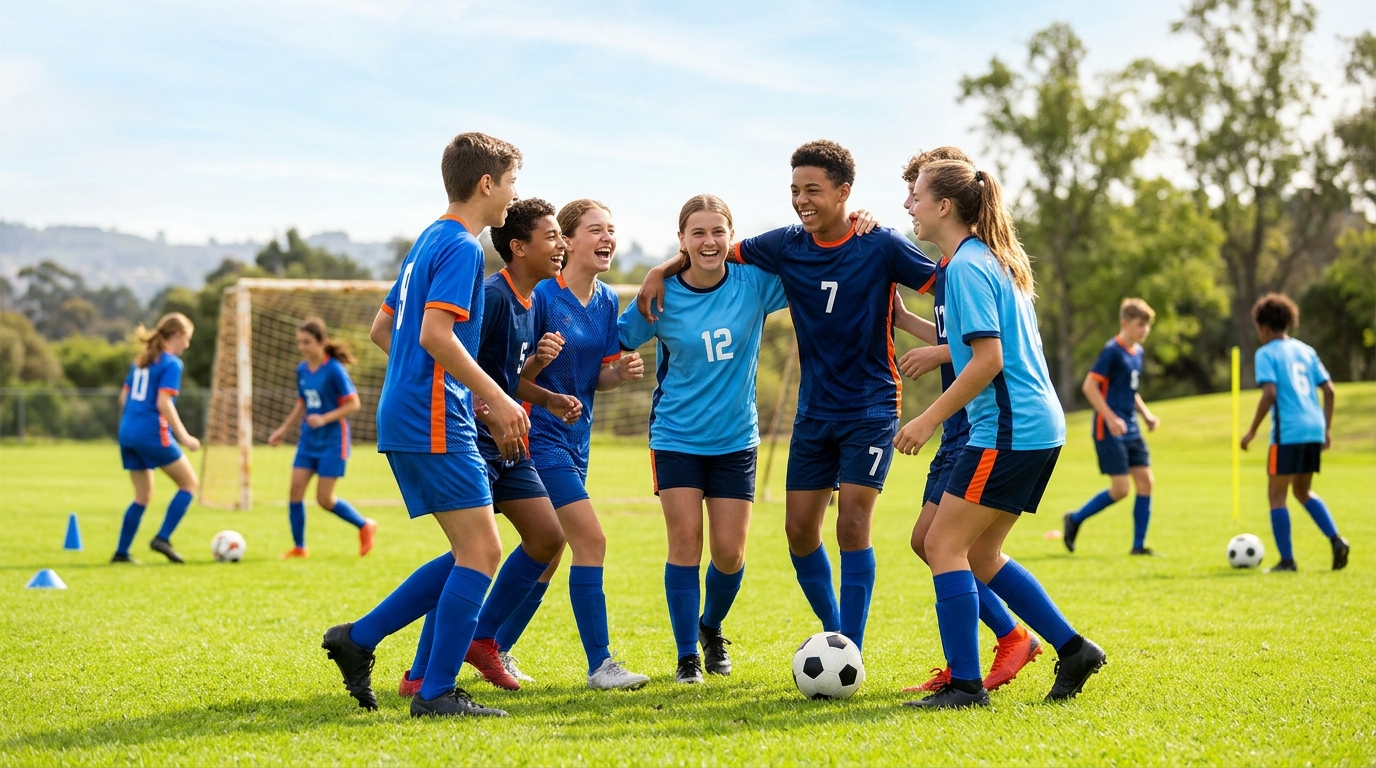
Great team chemistry is not just about everyone getting along. It is the ability to communicate under pressure, trust teammates in key moments and respond positively when things go wrong. For youth and amateur coaches, chemistry is built through consistent, intentional routines—not one motivational speech or occasional team social.
Here are practical drills and habits that can help your squad become more connected, confident and resilient.
Start With Clear Shared Standards
Players cannot build trust if expectations change from one session to the next. Establish a small number of team standards that apply to everyone, including coaches. Keep them specific and observable rather than vague.
For example:
- Arrive ready: Players are changed, equipped and prepared before the session starts.
- Communicate early: Teammates call names, give useful information and encourage effort.
- Respond quickly: Mistakes are followed by recovery, not blame or complaints.
- Include everyone: Newer, quieter and less experienced players are actively involved.
Ask players to help create these standards at the start of the season. When athletes contribute to the rules, they are more likely to own them. Revisit one standard briefly before each training session and recognise examples when you see them.
Use Partner-Based Warm-Ups
Warm-ups are an easy opportunity to build connection without taking time away from skill development. Instead of players always stretching or jogging in their usual friendship groups, assign rotating partners.
Try these simple options:
- Mirror movement: One player leads footwork, mobility or movement patterns while their partner mirrors them for 30 seconds, then they switch.
- Partner passing: Players complete a passing sequence while naming one positive action their partner made in the previous game or training session.
- Reaction races: Partners face each other and react to a coach’s command, encouraging each other after every repetition.
Rotate pairs regularly. This prevents cliques from becoming fixed and helps athletes learn how different teammates communicate and compete.
Run Communication-First Small-Sided Games
Small-sided games create more touches, decisions and conversations than full-team drills. To make them chemistry-focused, add constraints that reward collaboration rather than just individual talent.
For example, in football, basketball, hockey or netball, use rules such as:
- Every player must touch the ball before a team can score.
- A score counts double after three successful verbal calls or pieces of information.
- Teams nominate a different on-field leader for each round.
- A turnover means the team quickly huddles, names the next job and restarts together.
Avoid making communication rules overly complicated. The goal is to show players that talking, listening and supporting teammates improves performance.
Try the “Teammate Challenge” Drill
This drill works across most sports and can be adjusted for any age group. Put players into groups of three or four and give them a technical or physical challenge: complete a passing target, navigate an obstacle course, keep possession for a set time or finish a relay.
The catch: each group must decide how to organise itself before starting. Give them two minutes to plan, then let them attempt the challenge. Afterward, ask three quick questions:
- What helped your group succeed?
- When did communication break down?
- What would you change next time?
The debrief matters as much as the drill. Players learn that good teams discuss roles, adapt their plan and make space for every voice.
Build a Positive Mistake Culture
Teams with strong chemistry do not avoid mistakes; they recover from them together. Coaches set the tone here. If your immediate response to an error is frustration, players may stop taking healthy risks or begin blaming one another.
Use a simple reset routine after mistakes:
- Acknowledge it: “That pass did not come off.”
- Respond constructively: “Next time, check the wide option earlier.”
- Reconnect: A teammate offers encouragement, a high five or a clear next instruction.
Teach players short phrases they can use naturally: “Next one,” “I’m here,” “Good idea,” or “We reset.” These phrases are especially valuable for younger athletes who may not yet know how to support a teammate after an error.
Create Small Leadership Opportunities
Chemistry improves when leadership is shared. Do not rely only on a captain or the most confident athlete. Rotate meaningful responsibilities throughout the group.
You could ask different players to:
- Lead the warm-up or cooldown.
- Choose the team’s focus for a drill.
- Welcome a new player.
- Deliver the post-session huddle message.
- Check that equipment is collected and stored.
These tasks build confidence and show players that every person contributes to the team environment. Be especially intentional about offering leadership roles to quieter players, not only your natural talkers.
Make Reflection a Weekly Habit
End training with a fast, consistent reflection. It can take less than three minutes and gives players a voice in the team’s development. Use a circle, pair discussion or anonymous form for older groups.
Try these prompts:
- Who helped the team today, and how?
- What communication worked well?
- What is one thing we can improve together next session?
Keep feedback respectful and focused on behaviours. A platform such as SphereHyx can help coaches organise schedules, communicate team standards and keep important updates in one accessible place, making it easier to reinforce habits between sessions.
Be Consistent, Not Perfect
Team chemistry grows through repetition. Choose two or three ideas from this article, use them for several weeks and notice how players respond. Celebrate small improvements: a quieter player speaking up, teammates recovering quickly after a mistake, or a group including someone who might usually be left out.
When connection becomes part of everyday training, your team is better equipped to compete, learn and enjoy the season together.
Run your club with SphereHyx
Teams, attendance, payments and tournaments — all in one place. Free to start.
Create your club free