
Managing Playing Time Fairly Across a Youth Roster
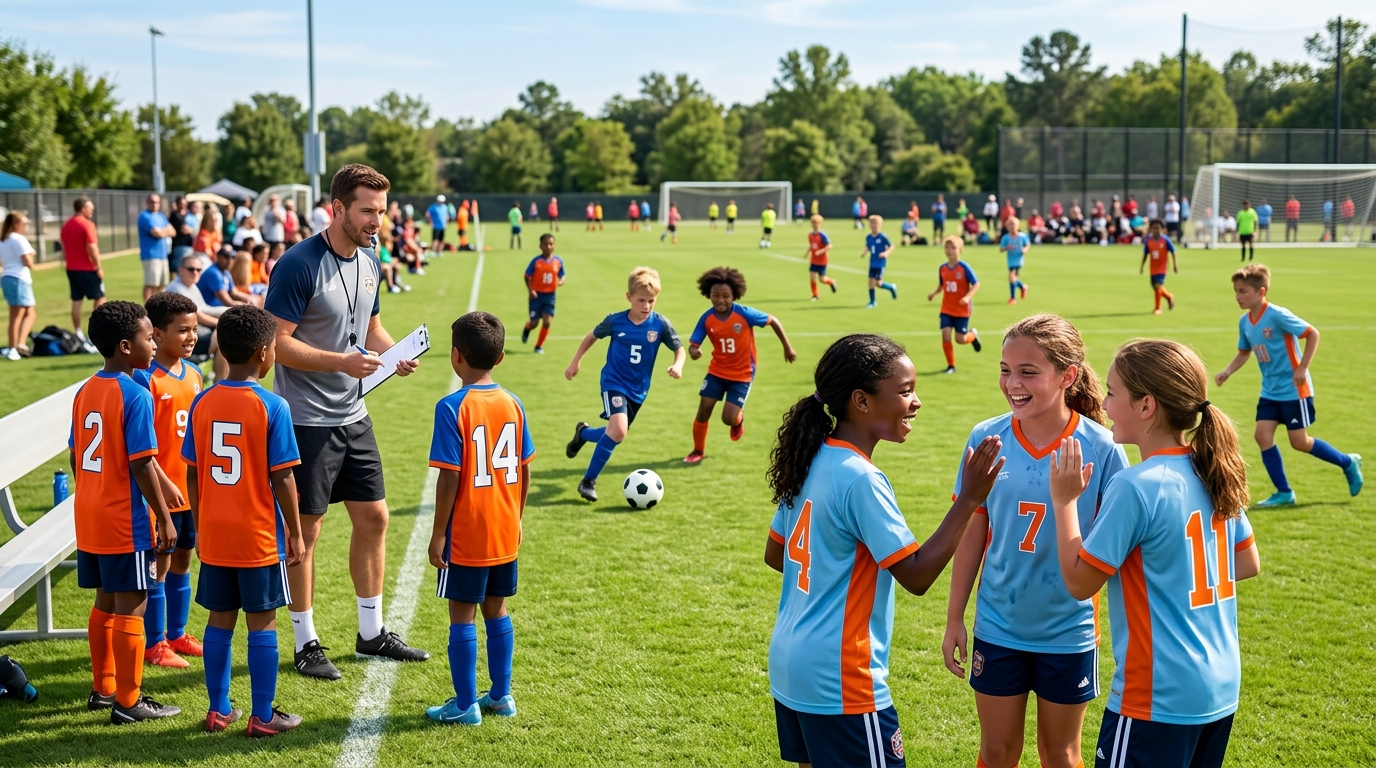
Fair playing time is one of the most important—and most difficult—responsibilities for youth and amateur coaches. Players want opportunities to contribute, parents want clarity, and coaches need to balance development, morale, safety and competition. A consistent approach helps everyone understand what to expect.
The goal is not always identical minutes in every match. Instead, it is to create a fair, transparent and age-appropriate system that gives every athlete a meaningful chance to develop and feel part of the team.
Start With a Clear Playing Time Philosophy
Before the season begins, decide what fairness means for your programme. Your policy should reflect the athletes' age, competition level and the club's values.
For younger or recreational teams, a strong default is equal or near-equal participation. At these levels, children are learning skills, confidence and a lifelong enjoyment of sport. Sitting on the bench for long periods can undermine all three.
For older or more competitive teams, playing time may be influenced by factors beyond attendance alone. These can include:
- Consistent effort and positive attitude
- Training attendance and punctuality
- Position-specific needs
- Match readiness and fitness
- Tactical requirements
- Player safety and medical restrictions
Even in competitive settings, every rostered athlete should have a realistic path to earning meaningful minutes. Make sure your policy does not become a vague justification for only playing the strongest athletes.
Communicate Expectations Before the First Match
Most playing-time conflicts begin with assumptions. Avoid them by sharing your approach at the first parent and player meeting, then reinforcing it in writing through your club app, team handbook or season welcome message.
Explain the difference between equal opportunity and equal minutes. For example, you might state that every player will receive meaningful match participation over the season, while individual match minutes may vary because of attendance, effort, development goals or game circumstances.
Your communication should answer practical questions, including:
- What is the minimum participation expectation?
- How does training attendance affect selection or minutes?
- How will injuries and safety concerns be handled?
- Are there different standards for league matches, tournaments and finals?
- Who should parents contact if they have concerns?
Use calm, direct language. A clear policy does not eliminate every disagreement, but it prevents surprises and gives you a fair reference point when questions arise.
Track Minutes Instead of Relying on Memory
Coaches often underestimate how uneven playing time can become during a busy season. A player who receives a few minutes in one match and misses the next two may technically have played, but they are not receiving a meaningful development opportunity.
Keep a simple playing-time record for every match. A spreadsheet works, but team management software can make this easier by keeping roster, attendance and match information in one place.
Track details such as:
- Minutes played or shifts completed
- Starting and substitute appearances
- Positions played
- Training attendance
- Injury or availability notes
- Individual development targets
Review the data every few matches, not just at the end of the season. Look for patterns: Who has consistently played less? Who has only been used in one position? Who may need more match exposure to practise a skill learned in training?
Plan Substitutions Before the Game
When a match becomes competitive, it is easy to make emotional, last-minute decisions. Planning rotations in advance reduces bias and helps you honour your commitments.
Before kickoff, create a simple substitution outline. Identify likely rotation windows and decide which players need priority minutes based on recent match records. Keep the plan flexible enough to account for injuries, fatigue and the flow of the game, but use it as your starting point.
For sports with frequent substitutions, consider using shift groups or a rotation chart. For sports with fewer substitution opportunities, set a target for when each player is likely to enter the match.
A pre-match plan helps you avoid a common mistake: waiting too long to substitute, then discovering there are not enough minutes left to involve everyone properly.
Define What Players Can Control
Fairness is stronger when athletes understand how their choices affect their opportunities. Set standards that apply to everyone, including your most talented players.
Players should know that they can improve their chances through:
- Attending training consistently
- Arriving prepared and on time
- Giving full effort in drills and matches
- Listening, communicating and supporting teammates
- Demonstrating good sportsmanship
- Working on agreed development goals
Be careful not to use playing time as punishment for ordinary mistakes. Young athletes need the freedom to try, fail and learn in real game situations. If discipline is necessary, make it proportionate, communicate it clearly and apply the same standards across the roster.
Have Better Conversations With Parents and Players
When someone raises a playing-time concern, listen first. Avoid discussing the issue immediately after a tense match, when emotions are high. Schedule a short conversation and bring relevant facts, such as attendance, recent minutes and development goals.
Keep the discussion focused on the player rather than comparisons with teammates. A useful response might be: “Here is what we have observed, here is the opportunity we are working toward, and here is what your player can do this week.”
For older athletes, speak to the player before speaking extensively with a parent. This builds ownership and teaches respectful communication.
Review Your System Throughout the Season
A fair playing-time plan should be reviewed regularly. Ask yourself whether every athlete is developing, whether your standards are being applied consistently and whether your match decisions align with the values you communicated.
Fairness does not require every moment to be equal. It requires a thoughtful system, honest communication and a genuine commitment to helping every player belong and improve. When coaches manage playing time well, they build stronger teams, more confident athletes and a healthier sporting experience for everyone.
Run your club with SphereHyx
Teams, attendance, payments and tournaments — all in one place. Free to start.
Create your club free